
Gelişim University
In 2008, our founding foundation “Gelişim Education Culture Health and Social Service Foundation” attempted to establish a Vocational School named “Istanbul Gelisim Vocational School”.
On the letter of Ministry of National Education dated 08/07/2008 and numbered 17261, according to the 2nd Annex of the Law No. 2547 of the Council of Ministers on 14/07/2008, our Vocational School was established and started education.
| Department | Years of study | Language | Fees before discount |
|---|---|---|---|
| Civil Engineering | 4 years | EN | $ 3750 |
| Architecture | 4 years | EN | $ 3750 |
| Finance and Economics | 4 years | EN | $ 3750 |
| Aviation and Aviation Management | 4 years | EN | $ 3750 |
| English language and literature | 4 years | EN | $ 3750 |
| Management | 4 years | EN | $ 3750 |
| Psychology | 4 years | EN | $ 3750 |
| Logistics and Transportation | 4 years | EN | $ 3750 |
| International Trade | 4 years | EN | $ 3750 |
| Political science and public relations | 4 years | EN | $ 3750 |
| Political science and International Relations | 4 years | EN | $ 3750 |
| Nursing | 4 years | EN | $ 3750 |
| Nutrition and Dietetics | 4 years | EN | $ 3750 |
| Child development | 4 years | EN | $ 3750 |
| Physiotherapy and Rehabilitation | 4 years | EN | $ 3750 |
| Social Service | 4 years | EN | $ 3750 |
| Computer Engineering | 4 years | TR | $ 3500 |
| Electrical and Electronics Engineering | 4 years | TR | $ 3500 |
| Civil Engineering | 4 years | TR | $ 3500 |
| Architecture | 4 years | TR | $ 3500 |
| Finance and Economics | 4 years | TR | $ 3500 |
| Public relations and publicity | 4 years | TR | $ 3500 |
| Aviation and Aviation Management | 4 years | TR | $ 3500 |
| Management | 4 years | TR | $ 3500 |
| Psychology | 4 years | TR | $ 3500 |
| Radio, Cinema and TV | 4 years | TR | $ 3500 |
| Political science and International Relations | 4 years | TR | $ 3500 |
| Sociology | 4 years | TR | $ 3500 |
| Tourist guides | 4 years | TR | $ 3500 |
| Turkishlanguage and literature | 4 years | TR | $ 3500 |
| International Business and Trade | 4 years | TR | $ 3500 |
| Logistics and Transportation | 4 years | TR | $ 3500 |
| International Trade | 4 years | TR | $ 3500 |
| New Media | 4 years | TR | $ 3500 |
| Management information System | 4 years | TR | $ 3500 |
| Gastronomy and Culinary Arts | 4 years | TR | $ 3500 |
| Graphic Design | 4 years | TR | $ 3500 |
| Interior Design | 4 years | TR | $ 3500 |
| Interior Architecture and Environmental Design | 4 years | TR | $ 3500 |
| Communication design | 4 years | TR | $ 3500 |
| Fashion Textile design | 4 years | TR | $ 3500 |
| Cinema and TV | 4 years | TR | $ 3500 |
| Nursing | 4 years | TR | $ 3500 |
| Nutrition and Dietetics | 4 years | TR | $ 3500 |
| Child development | 4 years | TR | $ 3500 |
| Physiotherapy and Rehabilitation | 4 years | TR | $ 3500 |
| Occupational Therapy | 4 years | TR | $ 3500 |
| Audiology | 4 years | TR | $ 3500 |
| Social Service | 4 years | TR | $ 3500 |
| Health Care Management | 4 years | TR | $ 3500 |
| Perfusion | 4 years | TR | $ 3500 |
| Orthopaedics and prostheses | 4 years | TR | $ 3500 |
| Preparatory year for language study | One course | TR | $250 |
| Preparatory year for language study | One year | EN | $3750 |
A university education is a learning experience that teaches students to think, work and communicate effectively. It is the best way to improve one’s life choices and knowledge base. Globalization has brought increased opportunities for education, making it accessible to everyone. However, not all students can afford a university education. Therefore, we must understand the benefits of university education and make sure everyone has access to it.
The earliest educational institutions in human history were not universities; they were religious seminaries and academies. The word “university” is from the Latin universitas, which means “an association of persons united by common interests.” In other words, a university is an institution where students learn together under one roof. Schools that train specialists in their field are called institutes or departments. The Greek philosopher Plato founded the Academy in Athens around 385 B 192 BC. The goal of Plato’s academy was to examine, discuss and debate philosophical ideas. Other notable ancient schools include the Jewish Essenes’ Qumran academy and the Egyptian Iamblichus’ Neoplatonist school of thought. Many universities currently exist around the world; many have been established in the 20th century through nationalization movements.
University education is designed to teach students to think and work systematically. Students learn facts about different fields and develop intellectual capabilities essential for bettering humanity. They also learn to work as a team under the guidance of an educated leader. Universities form a vital part of a country’s development as they offer high-quality training and education opportunities for their citizens. They are places where people from different backgrounds can come together and learn from one another. Everyone who wants to improve their life should attend college or a university at some point in their life.
Since universities train students how to think, communicate and act effectively in a global community, they are also good at educating future leaders of humanity. A student who graduates from a university is more capable of leading others due to their exposure to effective communication skills and systematic thinking abilities. This can be applied on a personal level by helping one’s family or friends develop new skills that will help them in life. No matter what problems we face as human beings, having well-educated global leaders will make solutions much easier to develop and implement globally.
University education is one of the best ways humans have ever devised for teaching people how to think, work and communicate effectively. Students who complete a university education are more qualified for high-paying careers and leadership positions in society. Furthermore, attendees learn how to function as a team under expert instruction— which makes it an excellent training ground for future world leaders!
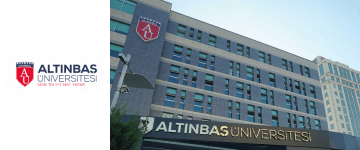 Altınbaş University
 Beykent University
 Doğuş University
 Esenyurt University
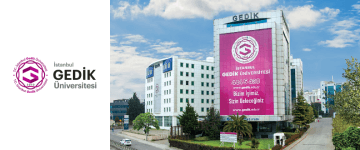 Gedik University
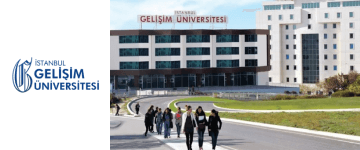 Gelişim University
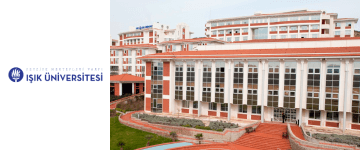 Işık University
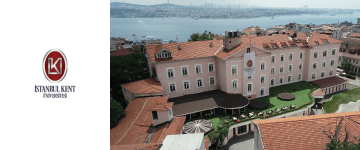 İstanbul Kent University
 Maltepe University
 Nişantaşı University
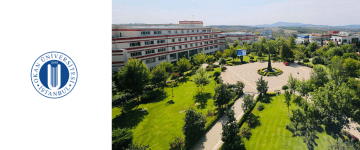 Okan University
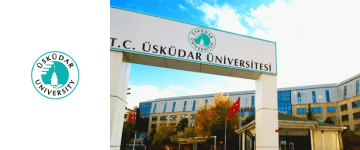 Üsküdar University
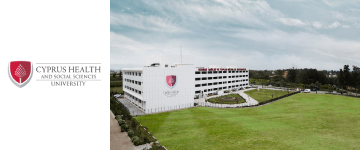 Cyprus Health and Social Sciences University
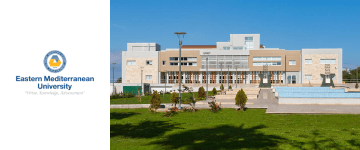 Eastern Mediterranean University
 1
1